 Spend
Spend 


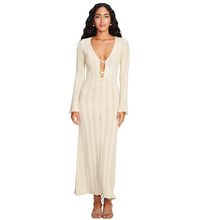
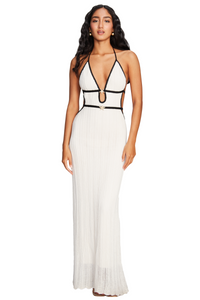


The 6 Most Flattering Bikini Colors According to Your Skin Tone Choosing the perfect bikini color can seem complicated when you're faced with endless options in stores or online. But there's a scientific truth that simplifies everything: certain bikini colors naturally flatter your specific skin tone, enhancing your natural beauty effortlessly. It's not about blindly following trends - it's about understanding which colors make YOUR skin shine.
The Science Behind Color and Your Skin
Before exploring the six most flattering bikini colors, you need to understand two fundamental concepts that will completely transform how you shop for bikinis: skin tone and undertone. Most women only consider whether their skin is light, medium, or dark - but that's just the surface. The real secret lies in undertones.
Skin Tone vs Undertone: The Crucial Difference
Your skin tone is what you see on the surface - how light or dark your skin is. This changes with sun exposure, over time, with the seasons. Your undertone, however, is permanent - it's the underlying color that never changes, no matter how much time you spend under the sun. Undertones are divided into three categories:
Warm undertones: Have a yellow, golden, or peachy base. If your skin tans easily and rarely burns, you probably have warm undertones.
Cool undertones: Have a pink, red, or bluish base. If you burn easily before tanning, you probably have cool undertones.
Neutral undertones: Are a balanced mix of both. If you don't clearly fit into either category, you're probably neutral (congratulations, almost everything looks good on you!).
Simple Tests to Determine Your Undertone
Vein test: Look at the veins on your wrist under natural light. If they appear blue or purple, you have cool undertones. If they look green or greenish-blue, you have warm undertones. If you can't decide, you're probably neutral.
Jewelry test: Do you look better in silver or gold jewelry? Silver generally flatters cool undertones, while gold flatters warm ones. If both look equally good on you, you're probably neutral.
White paper test: Hold a sheet of pure white paper next to your face under natural light. If your skin looks yellowish in comparison, you have warm undertones. If it looks pinkish or bluish, you have cool undertones.
The 6 Most Flattering Bikini Colors
Now that you understand your undertone, let's explore the six bikini colors that will completely transform your beach appearance. These aren't "trendy" colors that will disappear - they're timeless color theory principles applied to swimwear.
1. Jewel Tones: Emeralds, Sapphires, and Rubies

Jewel colors - that rich, saturated spectrum of deep emeralds, vibrant sapphires, and intense rubies - are universally flattering but work especially magically on certain skin tones.
For fair skin with cool undertones: Sapphire blue and deep emerald create dramatic contrast that prevents your skin from looking washed out. These bikini colors add instant depth.
For dark skin: Jewel tones are practically made for you. The contrast between your rich skin and these saturated colors is simply spectacular. A bikini in royal purple or cobalt blue highlights your skin's natural depth.
How to wear: A bikini in jewel tones doesn't need complicated accessories - the color does the work. Keep everything else simple so the bikini is the absolute protagonist.
2. Earth Tones: Terracotta, Caramel, and Chocolate

Earth tones have evolved dramatically. They're no longer the boring beiges of the past - think rich terracotta, deep caramel, warm chocolate, and pink clay. These bikini colors create that incredibly sensual second-skin effect dominating Instagram.
For fair skin with warm undertones: Terracotta, light caramel, and soft chocolate are your best friends. These colors add instant warmth without overwhelming your natural tone. Earth tone bikinis avoid the harsh contrast of pure white that can make fair skin look paler.
For medium or olive skin: Practically all earth tones look incredibly good on you. Rich chocolate, deep terracotta, caramel... all these bikini colors complement the natural golden tones in your skin.
Styling tip: Earth tones photograph beautifully. They create a cohesive, dreamy aesthetic in photos - less "tourist on vacation," more "permanently living in tropical paradise." If you want to explore more trending color options to complement your beach wardrobe, check out our guide to the 5 bikini colors that will be trending this 2026.
3. Black: The Classic That Always Works

The black bikini deserves special mention because it technically flatters absolutely everyone - but works particularly well in specific contexts.
Why it works universally: Black creates instant definition, has a visually slimming effect, and contrasts beautifully against practically any skin tone. The black bikini is that fundamental every woman should have.
For fair skin: Black creates dramatic contrast that can be incredibly flattering. However, if you have VERY fair skin, consider black with color details to avoid excessively harsh contrast.
For dark skin: The contrast between rich dark skin and a black bikini is pure sophistication. It's that look that screams "I know exactly who I am and what flatters me."
When to choose it: Black is your go-to when you need to look polished without thinking too much. It's also the most versatile color for combining with cover-ups, accessories, and other pieces of your beach wardrobe.
4. Reds and Corals: Vibrant Energy

The spectrum from soft coral to intense red is magically flattering on most skin tones - you just need to find your specific shade.
For warm undertones: Coral, orange-red, and reds with an orange base are spectacular. These bikini colors complement the golden tones in your skin, creating a luminous glow.
For cool undertones: True red (with blue base) and fuchsia are your best options. These shades have enough coolness to complement the pink tones in your skin without clashing.
The power of red: There's a reason red is considered a "power color" - psychologically it communicates confidence, and visually, red captures light uniquely. A red bikini photographs incredibly well against blue water and white sand.
Caution: If you have rosacea or facial redness, very vibrant reds can amplify that. In this case, opt for softer corals or more muted reds.
5. Blues: From Sky to Ocean

The blue spectrum offers options for absolutely everyone, from pale sky blue to deep navy. The key is finding your correct intensity.
For fair skin with cool undertones: Sky blue, turquoise, and cobalt blue are incredibly flattering. These bikini colors complement the pink tones in your skin and prevent you from looking washed out.
For medium skin: Practically any blue works, but vibrant blues - turquoise, cobalt, royal blue - are particularly spectacular. The contrast is strong enough to impact without overwhelming.
For dark skin: Deep navy, midnight blue, and rich blues create that luxe contrast. Also, curiously, very light blues can be surprisingly flattering on dark skin - the contrast is unexpected and chic.
Context matters: Blue is the color most associated with beach environment - it integrates naturally with ocean and sky. A blue bikini will always feel appropriate in coastal context.
6. Pastels and Soft Neutrals: Subtle Sophistication

Pastel tones - soft pink, lavender, powder blue, mint - and soft neutrals like champagne and blush are sophisticated options that work beautifully when chosen correctly.
For fair skin: Pastels are naturally harmonious with fair skin - they don't create harsh contrast. Blush pink, lavender, and powder blue are particularly flattering. These bikini colors create a romantic and delicate look.
For medium skin with neutral undertones: More saturated pastels - think vibrant mint or soft coral - prevent you from looking washed out while maintaining that soft aesthetic.
Important: On very dark skin, extremely pale pastels can create contrast that some love and others find less flattering. Try first before committing. Alternatively, more saturated pastels or with prints may work better.
When to wear: Pastels are perfect for that dreamy Instagram aesthetic. They work particularly well for photos during golden hour - the soft light complements these colors beautifully.
Beyond Color: Other Factors That Matter
Bikini color is crucial, but it doesn't exist in a vacuum. These additional factors affect how the color actually looks on you.
The Tan Factor
Your tan level dramatically changes which colors flatter you. A bikini that looks amazing on your freshly tanned skin can look completely different on your lighter natural tone.
To consider: If you buy a bikini when you're tanned, consider whether you'll still like it when the tan fades. Earth tones and blacks are more forgiving with tone changes, while very specific colors may be less versatile.
Hair and Eye Color
Your bikini color should complement not just your skin, but your complete coloring.
Blondes: Deep jewel tones create beautiful contrast. Royal blue, emerald, and burgundy are particularly striking.
Brunettes: You have the widest range. Warm colors - terracotta, coral, burgundy - highlight natural warm tones, while jewel tones add drama.
Redheads: Greens (especially emerald and jade), deep blues, and warm neutrals like caramel are spectacular. Avoid reds very similar to your hair that can compete.
Dark hair: Like brunettes, you have enormous versatility. Vibrant colors - fuchsia, turquoise, coral - pop beautifully against dark hair.
Occasion and Context
The right bikini color also depends on where and how you'll wear it.
For Instagram photos: Colors that contrast dramatically with water and sand - think vibrant reds, deep blues, fuchsias. These bikini colors "pop" in photos.
For daily resort use: Neutrals and earth tones are less "costume-y" and more integrated. You can wear them repeatedly without feeling like you're wearing the same look in every photo.
For beach clubs or events: Jewel tones and statement colors. These contexts are for being seen - the bikini can be bolder.
Bikini Colors You Should Generally Avoid
Just as certain colors flatter, others tend to be universally difficult to wear well.
The Problem with Pure Whites and Incorrect Beiges
Pure white: Except on very dark skin where it creates dramatic contrast, pure white can be challenging. On fair skin, it can create too harsh a contrast. On medium skin, it can make you look washed out.
Solution: Opt for off-whites, creams, or whites with prints. These have enough warmth to be more universally flattering.
Beiges and nudes close to your exact tone: The problem is they can create an unflattering "naked" effect. Especially for photos, the bikini can visually disappear against your skin.
Solution: If you love neutrals, go lighter or darker than your skin, not exactly the same. Rich earth tones are a better option than ultra-pale beiges.
Yellows: The Most Difficult Color
Yellow is notoriously the most difficult bikini color to wear well. On fair skin, it can make you look sickly. On skin with yellow undertones, it can amplify that unflattering.
Exceptions: Mustard yellow or gold can work on skin with warm undertones. Vibrant lemon yellow can be spectacular on very dark skin where it creates contrast. But generally, yellow requires careful consideration.
Quick Guide: Your Bikini Color by Undertone
If You Have Warm Undertones
Your best bikini colors:
- Earth tones: terracotta, caramel, chocolate, pink clay
- Warm reds: coral, red-orange, tomato
- Warm greens: olive, jade, forest green
- Warm neutrals: cream, champagne, gold
Avoid: Very cool blues (ice blue), neon pinks, silvers
If You Have Cool Undertones
Your best bikini colors:
- Jewel tones: sapphire, emerald, amethyst
- Cool pinks: fuchsia, shocking pink, magenta
- Cool blues: turquoise, cobalt, navy
- Cool neutrals: light gray, pure white, silver
Avoid: Vibrant oranges, golden yellows, very warm caramels
If You Have Neutral Undertones
Congratulations: Practically everything looks good on you. You can experiment with confidence. Your only real limit is personal preference and context. To maximize your options and understand which styles flatter your specific silhouette, our guide on how to choose bikinis according to your body type will help you combine the perfect color with the ideal cut.
Conclusion: Your Personal Bikini Palette
The perfect bikini color isn't a matter of one answer for everyone - it's about understanding your unique skin tone, your undertones, and how different colors interact with your natural coloring. The six colors we explored - jewel tones, earth tones, black, reds and corals, blues, and pastels - offer a starting point for each skin type. But true power comes from informed experimentation. Now that you understand the principles, you can make conscious decisions about which bikini colors to try, which to avoid, and how to build a versatile collection that makes you look and feel incredible in every beach context. Remember: the best bikini color is the one that makes you walk to the beach with absolute confidence, knowing you look exactly how you want. That combination of color science and self-love is the true formula for looking spectacular. 💛🌊✨