 You’re


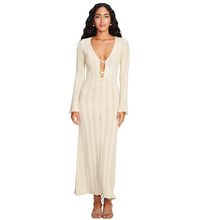
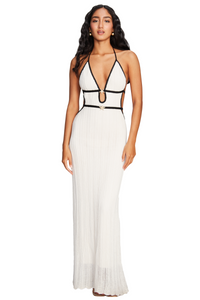


Even women with the best fashion sense make styling mistakes from time to time. You open your closet, grab that dress you love, pair it with accessories you think work, leave the house feeling good... and then you see it in a photo or a full-length mirror and think "something's not quite right here." It's not about lack of taste or an inadequate wardrobe - it's about small combination errors that quietly sabotage an outfit that would otherwise be perfect. Exceptional style is rarely about having more clothes.
Mistake 1: Ignoring Proportions - When Everything Has the Same Volume

This is probably the most common mistake when styling dresses, and the one that most dramatically ruins a complete look. It happens when all the pieces of your outfit have the same level of volume or fit, creating a silhouette that completely loses its shape and definition. The result: you look bigger than you actually are, or worse, completely lost inside your clothes.
Why This Mistake Is So Common
The problem of unbalanced proportions arises from a fundamental misunderstanding about how effective styling works. Many women think visual coherence means everything should have the same level of volume or fit. So they end up pairing an oversized dress with equally voluminous accessories, or a fitted dress with layers that are also tight-fitted.
The myth of "all flowy" to look slimmer: There's this persistent belief that loose, baggy clothing conceals the body and makes you look thinner. The reality is exactly the opposite. When you combine an extremely loose maxi dress with an oversized kimono, a huge bag, and chunky sandals, you create a silhouette that adds visual volume instead of subtracting it. Without any point of definition, the eye has nowhere to focus and simply sees "bulk."
The opposite problem - everything fitted: At the other end of the spectrum, some women make the mistake of having absolutely everything be fitted. A bodycon dress combined with a tailored blazer, tight belt, and shoes with straps that wrap around the ankle can look more restrictive than stylish. Without any element that breathes or flows, the outfit can feel and look uncomfortable.
Lack of visual contrast: Your eye needs contrast to find the outfit interesting and flattering. When everything is the same volume - whether all oversized or all fitted - there's nothing to guide the gaze toward the most flattering parts of your silhouette.
How to Correct the Proportion Mistake
Main solution - The balance rule: For every voluminous element in your outfit, you need a fitted element that creates contrast. If you're wearing a flowy, loose maxi dress, pair it with more structured and defined accessories. If your dress is fitted on top, make sure the skirt has movement. This balance rule creates the illusion of a more elongated and defined silhouette regardless of your actual body type.
Define your waist strategically: Even in the loosest dresses, creating a definition point at your waist completely changes the silhouette. This doesn't necessarily mean wearing an obvious belt (though that's an option). It can be as simple as choosing a dress that has natural gathering at the waist, or wearing a crop top over a long dress to create that visual division line.
Use the "french tuck" with dresses over pants: If you're wearing a shirt-style dress or a long open dress as a layer over pants, the french tuck (tucking only the front part of the dress into the pants) creates that instant waist definition without looking too structured. It's that perfect middle ground between completely loose and totally fitted.
Balance long with short: If your dress is maxi (floor-length), avoid pairing it with a cardigan or kimono that also reaches the floor. Instead, choose a jacket or layer that ends at hip or thigh height. This creates visual layers that are much more interesting than a single long, continuous silhouette.
Consider the 1/3 - 2/3 rule: When creating layers over a dress, the most flattering proportion is generally 1/3 top and 2/3 bottom, or vice versa. A crop top over a midi dress creates that perfect 1/3-2/3 proportion. A short dress with a long kimono also works with this same visual math.
Mistake 2: Overloading with Accessories - The "More Is More" Syndrome

If Coco Chanel were alive today and scrolling Instagram, she'd probably repeat her famous advice with even more emphasis: before leaving the house, remove at least one accessory. The mistake of over-accessorizing is particularly common with beach dresses and summer looks, where the temptation to add "just one more thing" - another bracelet, another ankle bracelet, another layered necklace - can quickly turn a chic outfit into a visual disaster.
Why We Overload Our Outfits
The problem of excessive accessories generally comes from good intentions but poor execution. We want our outfit to look "complete" and we think more pieces = more style. The reality is that in the professional styling world, intentional minimalism almost always looks more expensive and sophisticated than the accumulation of multiple elements.
The "empty outfit" trap: You look at your simple dress and feel it needs "something more" to not look too basic. So you add statement earrings, a layered necklace, multiple bracelets, rings on almost every finger, a hat, sunglasses on your head, and a bag with eye-catching details. The result: none of these individual elements receives the attention it deserves because they're competing with each other to capture your gaze.
Excessive matching: Another common mistake is the "matching set" taken to the extreme. Wearing red shoes with a matching red bag, red earrings, red bracelet, and red scarf doesn't look coordinated - it looks costume-y and dated. This exact matching style was popular in past decades but now reads as lacking sophistication.
Not letting the dress speak: If you invested in a beautiful dress with bold print, intricate embroidery, or unique details, that dress is your statement piece. It doesn't need (and shouldn't have) competition from multiple statement accessories. The dress should be the star of the show.
How to Master Accessories Correctly
The "one statement piece" rule: Choose ONE statement piece per outfit and let everything else be complementary and discreet. If your dress is already the statement piece (bold print, vibrant color, unique cut), your accessories should be minimal and neutral. If your dress is simple and solid, then you can choose ONE statement accessory - whether dramatic earrings, an eye-catching necklace, a unique bag, or spectacular shoes. But only one.
Work in "families" of accessories: Instead of exact matching, work with accessories that belong to the same color or style family but aren't identical. For example, with a navy blue dress, you can wear accessories in the gold metallic family - gold earrings, delicate gold bracelet, sandals with gold details - without everything being exactly the same shade of gold.
The rule of three for jewelry: At most, wear three pieces of jewelry at a time. This could be: earrings + necklace + bracelet, or earrings + rings + necklace, or necklace + bracelet + rings. Never wear everything at the same time. And if one of those three is a statement piece (large, dramatic earrings, for example), the other two must be extremely discreet.
Consider the "focal point" of your outfit: Decide where you want attention to focus - on your face? On your waist? On your legs? Place your statement accessory in that area. If you want attention to go to your face, wear statement earrings and keep everything else simple. If you want to highlight your waist, a unique belt is enough. If you want legs to be the focal point, interesting shoes or an ankle bracelet can be your statement.
Coco Chanel's mirror test: Before leaving the house, stand in front of a full-length mirror. Look at your complete outfit. Identify the element that adds the least to the look and remove it. Then ask yourself if the outfit feels incomplete without that element. If the answer is no (which it generally is), leave it off. If you're looking for more inspiration on how to create complete and well-balanced looks with beach dresses, our guide to 30 beach outfit ideas with dresses will show you exactly how to combine accessories without overloading your look.
Mistake 3: Ignoring Context and Occasion - The Perfect Dress in the Wrong Place

You can have the most beautiful dress in the world, perfectly paired with ideal accessories, but if it's completely inappropriate for the context in which you're wearing it, the entire outfit fails. This is one of the most overlooked but most impactful mistakes when styling dresses - completely ignoring where, when, and under what circumstances you'll be wearing it.
The Most Confusing Contexts
The incorrect context mistake isn't always obvious. We're not talking about showing up in a tuxedo at the beach (though that would definitely be a mistake). We're talking about those more subtle errors that make your outfit feel slightly "off" without being able to identify exactly why.
The wrong "day" vs "night" dress: Certain dresses are clearly designed for specific times of day, and wearing them at the wrong moment looks strange. A maxi dress with sequins and shiny fabrics at 2 PM on the beach looks costume-y and out of place, no matter how beautiful the dress is. Similarly, an ultra-casual cotton dress that's basically a beach cover-up at an elegant restaurant for dinner looks like you didn't make any effort at all.
Wrong formality level for the venue: This is particularly common in beach and resort contexts. Some women show up at the beach in elaborate dresses more appropriate for a cocktail party in the city - high heels that sink in the sand, delicate fabrics that can't get wet, expensive jewelry you shouldn't expose to salt and sun. Others go to the opposite extreme and appear at the resort restaurant in what's basically sleepwear disguised as "beach chic."
Ignoring climate and temperature: This seems obvious but happens constantly. Ultra-light linen dresses in a restaurant with powerful air conditioning where you'll spend 3 hours. Long-sleeved dresses with thick fabrics in 95°F weather. Sheer white dresses without the appropriate slip dress underneath, resulting in awkward situations when the sun is directly behind you.
The activity factor: What will you actually be doing while wearing the dress? A beautiful maxi dress that drags on the ground is romantic for photos but completely impractical if you're going to walk through street markets, climb stairs, or move actively. A strapless dress that requires constant adjustments is frustrating if you plan to dance all night.
How to Choose the Right Dress For Each Context
Do the "sit test": Before committing to a dress for a specific event, sit down in it. Does it ride up too much? Does it wrinkle terribly? Can you sit comfortably for extended periods? If you'll spend time sitting (at dinner, in transportation, on the beach), the dress needs to work in sitting position, not just standing in front of the mirror.
Consider the "complete itinerary" of the day: Don't dress just for the main activity - think about everything you'll do that day. If your day includes beach + lunch + shopping + dinner, you need a dress (or an outfit change plan) that works for all those activities. A beach dress can work for beach and casual lunch, but you'll probably need to change for a more formal dinner.
The "one step up, one step down" rule: When you're unsure about the appropriate formality level, the safest option is to go "one step up" from what you think the minimum dress code will be, but "one step down" from what could be the maximum. For "beach club casual," this means a nice midi dress with elegant sandals - a step up from shorts and t-shirt, but a step down from a cocktail dress and heels.
Check the event time: As a general rule, before 5 PM, avoid shiny fabrics, sequins, and clearly evening styles. After 6 PM, you can start incorporating dressier elements. Between 5-6 PM is the "gray zone" where you can choose based on the specific venue and type of event.
Research the venue specifically: Don't assume - verify. Look at Instagram photos of the restaurant, beach club, or event. What are other people wearing? High-end establishments frequently have specific dress code expectations that aren't always explicitly stated. A beach club in Mykonos has very different expectations than a beach club in your local city.
Have a plan B with layers: The easiest way to handle context uncertainty is with strategic layers you can add or remove. A simple dress with an elegant kimono can work in multiple contexts - remove the kimono to be more casual at the beach, add it to elevate the look for dinner. A light jacket over a slip dress can transform it from beach to city in seconds.
Mistake 4: Combining Colors and Prints Without Strategy - Visual Chaos

Color is one of the most powerful tools in your styling arsenal, but it's also where mistakes can be most obvious and visually discordant. Pairing dresses with accessories in colors or prints that clash with each other creates that "tried too hard" or "have no idea what I'm doing" effect - neither of which is the message you want to send.
The Most Common Color Mistakes
Color problems when styling dresses generally fall into a few predictable categories. What's interesting is that these mistakes don't happen because you don't understand color in general - they happen because you're applying outdated or misinterpreted rules about how color "should" work.
Excessive and exact matching: We already touched on this briefly with accessories, but it's worth repeating: exact color-for-color matching looks dated. When your turquoise dress is paired with identical turquoise shoes, identical turquoise bag, and turquoise earrings, the result is more "themed costume" than "chic outfit." The eye needs variation and depth to find the look interesting.
Ignoring your own colors: You may love that neon yellow dress with all your soul, but if you have cool undertones in your skin, that warm yellow is going to make you look sick or washed out. The dress can be objectively beautiful, but if the color drains you instead of illuminating you, no amount of correct styling will save it. If you want to understand exactly which colors flatter your specific skin tone and how to combine them to create spectacular looks, our guide on the most flattering colors according to your skin tone will give you the tools to make informed decisions about color.
Mixing too many prints without a focal point: Mixed prints can be incredibly chic when done correctly, but it's a fine line between "fashion-forward" and "visually chaotic." A dress with large floral print combined with animal print bag, striped shoes, and geometric design scarf is simply too much. Your eye doesn't know where to focus and the result is exhausting to look at.
Using only "safe" colors all the time: The opposite mistake is also a mistake. If your wardrobe consists solely of black, white, beige, and gray because you're afraid to experiment with color, you're missing a huge opportunity to express personality and create memorable looks. Neutrals are important fundamentals, but a strategic touch of color can completely transform an outfit.
Not considering color in complete context: A millennial pink dress may look perfect against the white background of your closet, but how does it look against the blue sea where you plan to wear it? Against the restaurant walls where you'll go for dinner? Some colors "disappear" against certain backgrounds or look completely different under natural vs artificial light.
How to Master Color and Print Strategically
Work with color families, not exact matches: Instead of looking for the shoe that's exactly the same shade of coral as your coral dress, look for shoes that belong to the same color family but with variation. Your coral dress can pair beautifully with shoes in deeper terracotta, or in nude with warm undertones, or even in cream white. All of these belong to the warm family but have enough variation to create visual interest.
Use the 60-30-10 rule for color blocking: This is an interior design rule that works perfectly for outfits. 60% of your look should be a dominant color (your dress), 30% a secondary color (maybe your kimono or jacket), and 10% an accent color (your accessories). This proportion creates visual balance without being boring.
Learn what your "personal neutral" is: Not everyone looks best in black. Your personal neutral is the color that works as a blank canvas for your specific skin tone. For some people it's deep navy, for others it's camel, for others it's charcoal gray. Once you identify your personal neutral, use it as a base for outfit builds where you want the dress color to be the star.
The mixed prints rule: keep one constant: If you're going to mix prints (and you should - it can be amazing), keep one constant element that connects them. This can be: same base color in both prints, same print scale (both small or both large), or same print style (both geometric or both organic). For example, a dress with navy and white stripes can pair with a floral print scarf that also has navy as a base color.
Use color to create desired mood: Colors communicate emotion and energy. Vibrant colors (reds, oranges, fuchsias) are energetic and attention-grabbing - perfect when you want to make a statement. Soft pastel colors (lavender, mint, blush) are romantic and relaxed - ideal for dreamy beach looks. Deep, rich colors (burgundy, forest green, navy) are sophisticated and grounding - excellent for elevating a casual look to something more polished.
The photo test before leaving: Take a full-body mirror photo of your complete outfit under natural light. Review the photo with critical eyes. Is any color competing too aggressively for attention? Is there too much contrast or too little? Photos frequently reveal color problems we don't notice in person.
How to Avoid These Mistakes From the Start
The best way to correct dress styling mistakes is to prevent them before they happen. Here are the proactive strategies that will make these four errors a thing of the past in your styling routine.
Create an "Outfit Testing" System
The Sunday ritual: Dedicate 30 minutes every Sunday to planning your main outfits for the week. Try on each complete combination - dress, accessories, shoes, layers. Take photos of each outfit. This allows you to identify and correct problems with proportion, excessive accessories, or discordant color when you have time and calm, not when you're rushing out the door.
Maintain a visual "outfit journal": Use your phone to create a photo album of every outfit you wear. After wearing it, add a mental note: Did you feel comfortable all day? Did you receive compliments? Was there anything you'd adjust? Over time, this journal will help you identify your most successful combinations and the mistakes you tend to repeat.
Build a More Intentional Wardrobe
Shop with "complete outfit" in mind: Before buying a new dress, ask yourself: What three different things can I pair it with that I already have in my closet? If you can't identify at least three potential outfits with existing pieces, you probably shouldn't buy it. This prevents impulsive purchases that then hang unused because "you don't have anything that matches."
Invest in "connector pieces": These are versatile accessories that connect multiple different dresses. A pair of quality nude sandals, a kimono in a neutral color, a classic structured bag - these pieces work with dozens of different dresses and prevent the mistake of feeling like you need completely new accessories for each dress.
Educate Your Eye With Intentional Inspiration
Study (don't copy) style icons: Find 2-3 women whose style you genuinely admire. Study how they style their dresses. What proportions do they create? How do they use color? How many accessories do they typically wear? Don't copy their outfits exactly, but learn the principles behind their successful choices.
Analyze what works in your favorite photos: Look at photos where you look and feel best. What do those outfits have in common? They probably followed the principles we've discussed - balanced proportions, edited accessories, appropriate context, harmonious color. Identify those patterns and repeat them intentionally.
Conclusion: Well-Executed Style Is About Editing, Not Addition
The four mistakes we've explored - unbalanced proportions, excessive accessories, inappropriate context, and chaotic color/print - have something important in common: they all result from doing too much instead of doing too little. Exceptional styling is rarely about adding more things to an outfit. Much more frequently, it's about careful editing and intentional selection. When you master these principles, something fascinating happens: getting dressed becomes easier, not harder. You no longer spend 30 minutes in front of the closet trying on eight different combinations. You develop a trained eye that immediately identifies what works and what doesn't. You create outfits that not only look good in the moment but continue looking good in photos hours later, that feel comfortable throughout the day, that receive genuine compliments instead of confused looks. Real style isn't about following rigid rules or never breaking a fashion "norm." It's about understanding the fundamental principles well enough to know when to apply them and when to intentionally break them to create something unique. Now that you know these four critical mistakes and exactly how to avoid them, you have the tools to create looks with dresses that are consistently spectacular - balanced, appropriate, cohesive, and completely yours. 🌺✨